Why Online Counseling Could Transform Your Life

In today’s fast-paced world, mental health is more important than ever. Many people struggle with stress, anxiety, depression, and other emotional challenges but hesitate to seek help due to time constraints, stigma, or accessibility issues. Fortunately, the rise of virtual therapy has opened new doors for those seeking support. Online counseling offers a flexible, private, and effective way to connect with professional therapists from the comfort of your own space. This article explores why online counseling could transform your life by highlighting the key benefits of virtual therapy and answering common questions about this modern approach to mental health care.
The Benefits of Virtual Therapy: Convenience and Accessibility
One of the most significant advantages of virtual therapy is its convenience. Traditional therapy often requires traveling to a clinic, arranging schedules, and sometimes waiting weeks for an appointment. Virtual therapy eliminates many of these barriers by allowing you to meet your counselor through video calls, phone sessions, or even chat-based platforms.
Flexible Scheduling: You can book sessions outside of regular office hours, including evenings and weekends.
No Commute: Save time and money by avoiding travel to and from appointments.
Access from Anywhere: Whether you live in a busy city or a remote area, you can connect with qualified therapists without geographical limitations.
This accessibility is especially valuable for people with mobility issues, busy work schedules, or caregiving responsibilities. It also helps reduce the stigma associated with visiting a mental health clinic, as sessions can be done privately at home.

Virtual therapy session on a laptop screen
How Virtual Therapy Supports Different Mental Health Needs
Virtual therapy is not a one-size-fits-all solution, but it can be tailored to meet a wide range of mental health needs. Whether you are dealing with anxiety, depression, relationship issues, or trauma, online counseling offers various therapeutic approaches such as cognitive-behavioral therapy (CBT), mindfulness, and psychodynamic therapy.
Personalized Care: Therapists can customize sessions based on your unique situation and goals.
Continuous Support: Many platforms offer messaging options between sessions for ongoing guidance.
Comfortable Environment: Being in your own space can help you feel more relaxed and open during therapy.
For example, someone struggling with social anxiety might find it easier to open up in a virtual setting rather than face-to-face. Similarly, individuals coping with grief or trauma can benefit from the privacy and control that online counseling provides.
Can I Talk to a Counselor Online for Free?
Many people wonder if it is possible to access online counseling without financial commitment. The answer is yes, but with some caveats. Several platforms and organizations offer free or low-cost initial consultations, support groups, or limited sessions to help you get started.
Free Trials: Some online counseling services provide a free first session to assess your needs.
Nonprofit Resources: Charities and mental health organizations may offer free virtual support.
Employee Assistance Programs (EAPs): If you are employed, check if your workplace provides free counseling services.
While free options can be helpful, ongoing therapy usually requires payment. However, many platforms offer sliding scale fees or affordable plans to make therapy accessible to more people.
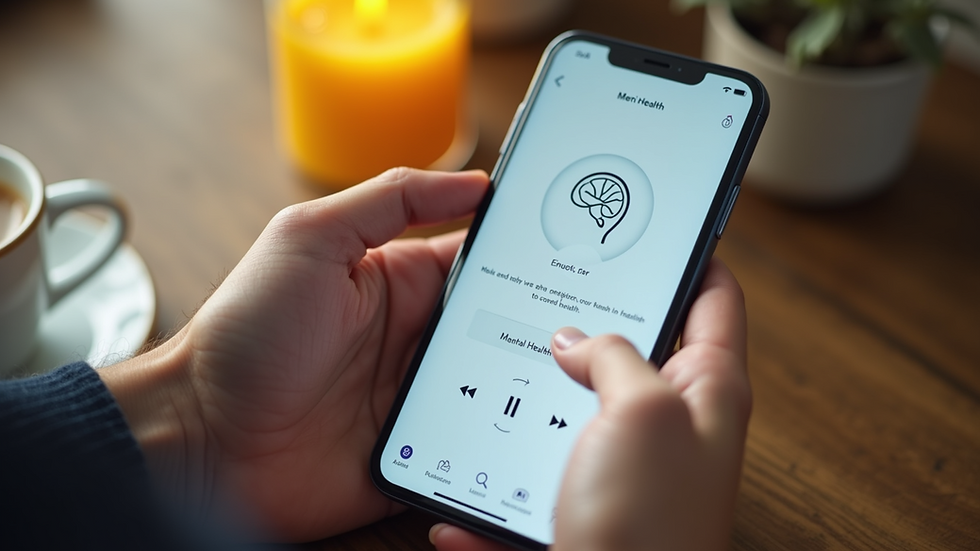
Mental health app interface on smartphone
Practical Tips for Making the Most of Online Counseling
To get the best results from virtual therapy, consider these practical recommendations:
Choose the Right Platform: Look for licensed therapists and secure, user-friendly platforms like online counseling.
Create a Private Space: Find a quiet, comfortable spot where you won’t be interrupted during sessions.
Set Clear Goals: Discuss your expectations and objectives with your counselor early on.
Be Open and Honest: Virtual therapy works best when you communicate openly about your feelings and challenges.
Stay Consistent: Regular sessions help build trust and progress in your mental health journey.
Remember, therapy is a process that takes time. Patience and commitment are key to experiencing meaningful change.
Embracing a New Era of Mental Health Support
The shift towards virtual therapy represents a broader change in how we approach mental health care. It democratizes access, reduces stigma, and empowers individuals to take control of their well-being. By embracing online counseling, you open the door to a supportive, flexible, and effective way to improve your mental health.
Whether you are new to therapy or looking for a more convenient option, virtual therapy offers a promising path forward. It can help you develop coping skills, gain insight, and build resilience in a way that fits your lifestyle.

Cozy home office setup for virtual therapy
Taking the first step might feel daunting, but the potential benefits are profound. If you are ready to explore how online counseling can transform your life, consider reaching out to a trusted platform today. Your mental health is worth the investment, and virtual therapy could be the key to unlocking a happier, healthier future.


Comments