Discover the Benefits of Virtual Therapy

In recent years, virtual therapy has transformed the way people access mental health care. This innovative approach offers a range of advantages that make therapy more accessible, convenient, and effective for many individuals. Whether you are new to therapy or considering switching from traditional face-to-face sessions, understanding the virtual therapy benefits can help you make an informed decision about your mental health journey.
Understanding Virtual Therapy Benefits
Virtual therapy, also known as online therapy or teletherapy, involves receiving psychological support through digital platforms such as video calls, phone calls, or messaging. This method has gained popularity due to its flexibility and ability to overcome common barriers to mental health care.
Some of the key virtual therapy benefits include:
Accessibility: People living in remote or underserved areas can connect with qualified therapists without the need to travel.
Convenience: Sessions can be scheduled around your daily routine, reducing time off work or other commitments.
Comfort: Receiving therapy from your own home can create a relaxed environment, helping you open up more easily.
Affordability: Virtual therapy often reduces costs related to transportation and office overheads, making it more affordable.
Privacy: For those concerned about stigma, virtual therapy offers a discreet way to seek help.
These benefits make virtual therapy an appealing option for many seeking mental health support.
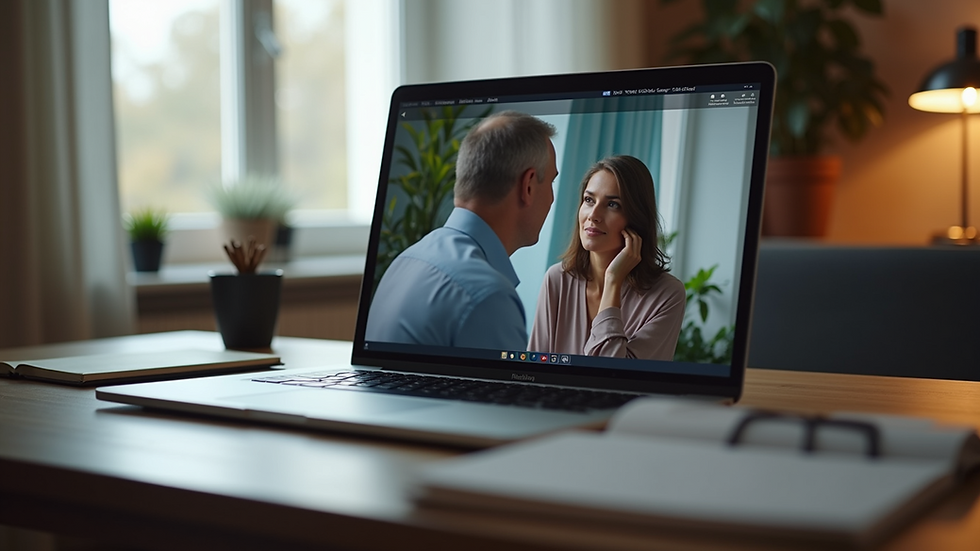
How Virtual Therapy Benefits Your Mental Health
Virtual therapy benefits extend beyond convenience and accessibility. It can significantly improve the quality of care and outcomes for clients. Here’s how:
Personalized Care in Your Own Space
Being in a familiar environment can reduce anxiety and make it easier to discuss sensitive topics. Therapists can also observe your home setting, which may provide additional context to your situation.
Continuity of Care During Life Changes
Life events such as moving, changing jobs, or health issues can disrupt traditional therapy. Virtual therapy allows you to maintain consistent sessions regardless of location or circumstances.
Variety of Therapeutic Approaches
Many therapists offer diverse modalities online, including cognitive-behavioral therapy (CBT), mindfulness-based therapy, and more. This variety ensures you can find a style that suits your needs.
Enhanced Communication Options
Some platforms provide text or email support between sessions, allowing you to reach out when you need extra guidance or reassurance.
Reduced Wait Times
Online platforms often have more therapists available, which can shorten the time it takes to start therapy.
Practical Tips for Making the Most of Virtual Therapy
To fully benefit from virtual therapy, consider these actionable recommendations:
Choose a Quiet, Private Space
Find a comfortable spot where you won’t be interrupted. Use headphones to improve sound quality and privacy.
Test Your Technology
Ensure your internet connection, camera, and microphone work well before your session to avoid disruptions.
Set Clear Goals
Discuss your therapy goals with your therapist early on to tailor sessions to your needs.
Be Open and Honest
Virtual therapy requires trust and openness. Share your thoughts and feelings candidly for the best results.
Schedule Regular Sessions
Consistency is key. Try to keep appointments at regular intervals to maintain progress.
Use Additional Resources
Many therapists provide worksheets, exercises, or apps to complement your sessions.
By following these tips, you can create a productive and supportive virtual therapy experience.

Addressing Common Concerns About Virtual Therapy
Despite its benefits, some people hesitate to try virtual therapy due to misconceptions or concerns. Here are some common worries and how to address them:
Is virtual therapy as effective as in-person therapy?
Research shows that virtual therapy can be just as effective for many conditions, including anxiety, depression, and stress management.
What about privacy and confidentiality?
Reputable platforms use secure, encrypted technology to protect your information. Always verify the credentials and privacy policies of your therapist and platform.
Will I feel connected to my therapist?
While the experience differs from face-to-face sessions, many clients report feeling a strong therapeutic alliance online. Good therapists adapt their style to build rapport virtually.
What if I have a crisis?
Discuss emergency plans with your therapist. Many online services provide resources and referrals for urgent situations.
Understanding these points can help you feel more confident about choosing virtual therapy.
How to Get Started with Virtual Therapy Today
If you’re ready to explore virtual therapy, here are some steps to begin:
Research Therapists and Platforms
Look for licensed professionals who specialize in your areas of concern. Consider platforms that offer flexible scheduling and secure communication.
Check Credentials and Reviews
Verify qualifications and read client testimonials to find a good match.
Schedule an Initial Consultation
Many therapists offer a free or low-cost introductory session to discuss your needs and explain their approach.
Prepare Your Space and Technology
Set up a quiet, comfortable area and test your devices before your first session.
Commit to the Process
Therapy is a journey. Be patient and open to the experience.
For those interested in professional support, online counseling offers a convenient and effective way to connect with qualified therapists from anywhere.
Embracing the Future of Mental Health Care
Virtual therapy benefits are reshaping how mental health services are delivered. This approach breaks down barriers and empowers individuals to take control of their well-being in a way that fits their lifestyle. As technology continues to evolve, virtual therapy will likely become an even more integral part of mental health care.
Whether you are seeking help for the first time or looking for a more flexible option, virtual therapy offers a promising path to healing and growth. Embrace this modern solution and discover how it can support your mental health journey today.


Comments