Exploring Online Therapy Types: A Comprehensive Guide

Online therapy has become a popular and accessible way for people to seek mental health support. With the rise of digital platforms, various online therapy types have emerged, catering to different needs and preferences. This guide explores the most common types of online therapy services, helping you understand which might be the best fit for you or someone you know.
Understanding Online Therapy Types
Online therapy refers to mental health services delivered through the internet. It allows clients to connect with licensed therapists via video calls, phone calls, messaging, or apps. The convenience and privacy of online therapy have made it a preferred option for many.
Here are some of the main online therapy types:
Video Therapy: Real-time sessions using video conferencing tools.
Text-Based Therapy: Communication through messaging platforms.
Phone Therapy: Therapy sessions conducted over the phone.
App-Based Therapy: Using mental health apps that offer self-guided programs or therapist support.
Group Therapy Online: Virtual group sessions led by a therapist.
Each type has unique features and benefits, which we will explore in detail.

Video Therapy: The Closest to In-Person Experience
Video therapy is the most popular form of online therapy. It mimics traditional face-to-face sessions by allowing clients and therapists to see and hear each other in real time. This format is ideal for those who want a personal connection but need the flexibility of remote access.
Benefits of Video Therapy
Visual cues: Therapists can observe body language and facial expressions.
Convenience: Attend sessions from home or any private space.
Flexibility: Easier scheduling without travel time.
Privacy: Sessions are confidential and secure.
How to Prepare for Video Therapy
Find a quiet, private space with a stable internet connection.
Use headphones to improve sound quality and privacy.
Test your device and software before the session.
Have a list of topics or questions ready to discuss.
Video therapy is especially effective for treating anxiety, depression, relationship issues, and stress management.
Text-Based Therapy: Flexibility and Accessibility
Text-based therapy involves communicating with a therapist through emails, chat, or messaging apps. This type is perfect for people who prefer writing over speaking or need support outside regular hours.
Advantages of Text-Based Therapy
Asynchronous communication: Respond at your own pace.
Written record: Keep track of conversations and advice.
Lower cost: Often more affordable than video or phone sessions.
Comfort: Ideal for those who feel anxious speaking aloud.
Tips for Effective Text Therapy
Be clear and detailed in your messages.
Set expectations with your therapist about response times.
Use text therapy as a supplement to other forms if needed.
Text-based therapy works well for mild to moderate mental health concerns and ongoing emotional support.
Phone Therapy: Simple and Direct
Phone therapy offers a straightforward way to connect with a therapist without the need for video. It is useful for those with limited internet access or who prefer voice communication without being on camera.
Key Features of Phone Therapy
Accessibility: No need for video equipment or high-speed internet.
Anonymity: Some clients feel more comfortable without visual contact.
Flexibility: Can be done from anywhere with phone service.
Best Practices for Phone Therapy
Choose a quiet, private location.
Use a reliable phone connection.
Schedule sessions at times when you can focus without interruptions.
Phone therapy is effective for a wide range of issues, including grief, trauma, and relationship challenges.
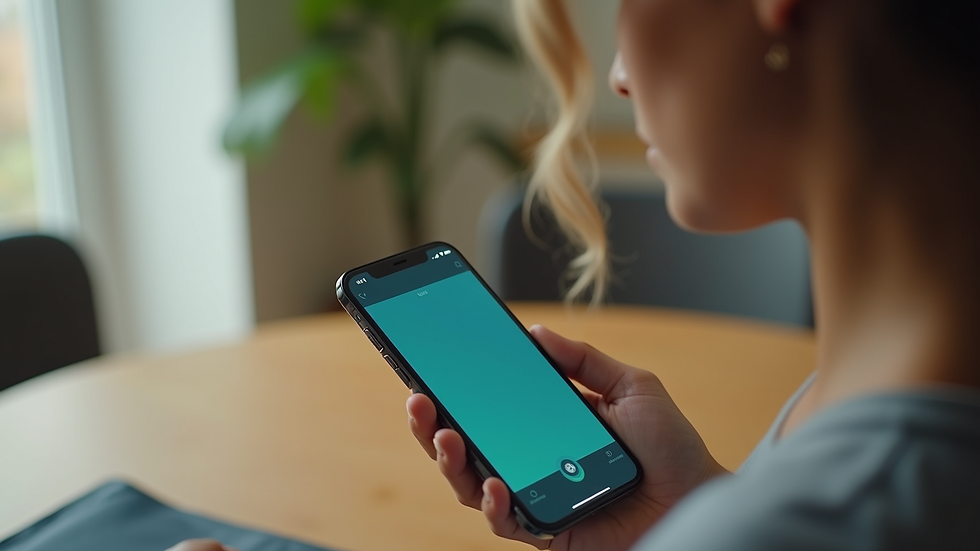
App-Based Therapy: Self-Guided and Therapist Supported
Mental health apps have revolutionised access to therapy by offering tools for self-help, mood tracking, meditation, and even live therapist chats. These apps provide a blend of self-guided exercises and professional support.
Popular Features of Therapy Apps
Cognitive-behavioural therapy (CBT) exercises
Mood and habit tracking
Guided meditation and mindfulness
Access to licensed therapists via chat or video
Choosing the Right App
Look for apps with licensed professionals.
Check user reviews and privacy policies.
Consider apps that offer free trials or affordable subscriptions.
App-based therapy is great for people who want to manage stress, anxiety, or depression with flexible, on-the-go support.
Group Therapy Online: Shared Healing and Support
Online group therapy brings together individuals facing similar challenges in a virtual setting. Led by a therapist, these sessions provide peer support and shared learning.
Benefits of Online Group Therapy
Community: Connect with others who understand your experiences.
Cost-effective: Usually less expensive than individual therapy.
Diverse perspectives: Gain insights from multiple participants.
Convenience: Join from anywhere without travel.
How to Get the Most from Group Therapy
Participate actively and respectfully.
Maintain confidentiality of group members.
Be open to feedback and different viewpoints.
Group therapy is effective for addiction recovery, social anxiety, and chronic illness support.
Making the Most of Online Therapy Services
Choosing the right online therapy type depends on your personal preferences, needs, and lifestyle. Here are some actionable recommendations:
Assess your comfort level with technology and communication style.
Consider your mental health goals and the severity of your concerns.
Check credentials of therapists and platforms for safety and quality.
Set a consistent schedule to build a routine.
Use additional resources like self-help books or support groups alongside therapy.
Remember, the best therapy is one that fits your unique situation and helps you feel supported and understood.
Embracing the Future of Mental Health Support
Online therapy types continue to evolve, making mental health care more accessible and personalised. Whether you prefer video calls, texting, phone conversations, apps, or group sessions, there is an option to suit your needs.
Exploring these options can empower you to take control of your mental well-being in a way that works best for you. If you are considering online therapy, start by researching reputable platforms and scheduling a consultation to find the right match.
By embracing the variety of online therapy types, you open the door to healing, growth, and improved mental health from the comfort of your own space.



Comments